Een paar maanden geleden was er schijnbaar geen betere plek voor avontuurlijke reizigers dan Nepal. Nepal doet dromen: het dak van de wereld met de hoogste bergen, meditatie en spiritualiteit. Na de recente aardbevingen, met beelden in de media van de slachtoffers, verwoeste huizen en tempels, beschouwen veel reizigers deze droombestemming echter als een nachtmerrie. Nochtans is Nepal nog steeds de moeite waard, en misschien zelfs meer dan ooit.
Ik woon sinds een jaar in Kathmandu, als cooperant voor Wereldsolidariteit. Ik heb de twee aardbevingen hier in Nepal beleefd en nam zelf foto’s die mijn familie en vrienden op het internet of nieuws zagen, van ingestorte huizen en tempels. Dagenlang werden in België angstaanjagende beelden getoond van chaotische steden en verwoest dorpen, die de ernst van de aardbeving illustreerden: meer dan 8.500 slachtoffers, 100.000 gewonden en 800.000 huizen beschadigd of verwoest. Van vrienden en familie kreeg ik vele vragen die potentiele toeristen zich ook stellen: lopen ze in gevaar van meer en zwaardere aardbevingen?
“Toen mijn familie en vrienden hoorde dat we naar Nepal vertrokken ondanks de aardbeving verklaarden ze mij voor zot, vooral met onze twee kinderen van vier en zes jaar.” Dominique, 38
Wil en kan Nepal toeristen ontvangen op dit moment? Wat is er nog te zien, gezien zo veel is ingestort? Als ik ga, gebruik ik dan niet eigenlijk middelen die de lokale bevolking harder nodig heeft? Allemaal relevante vragen, waar ik hier ga proberen een antwoord op te geven.
Zijn we nog in gevaar als we gaan?
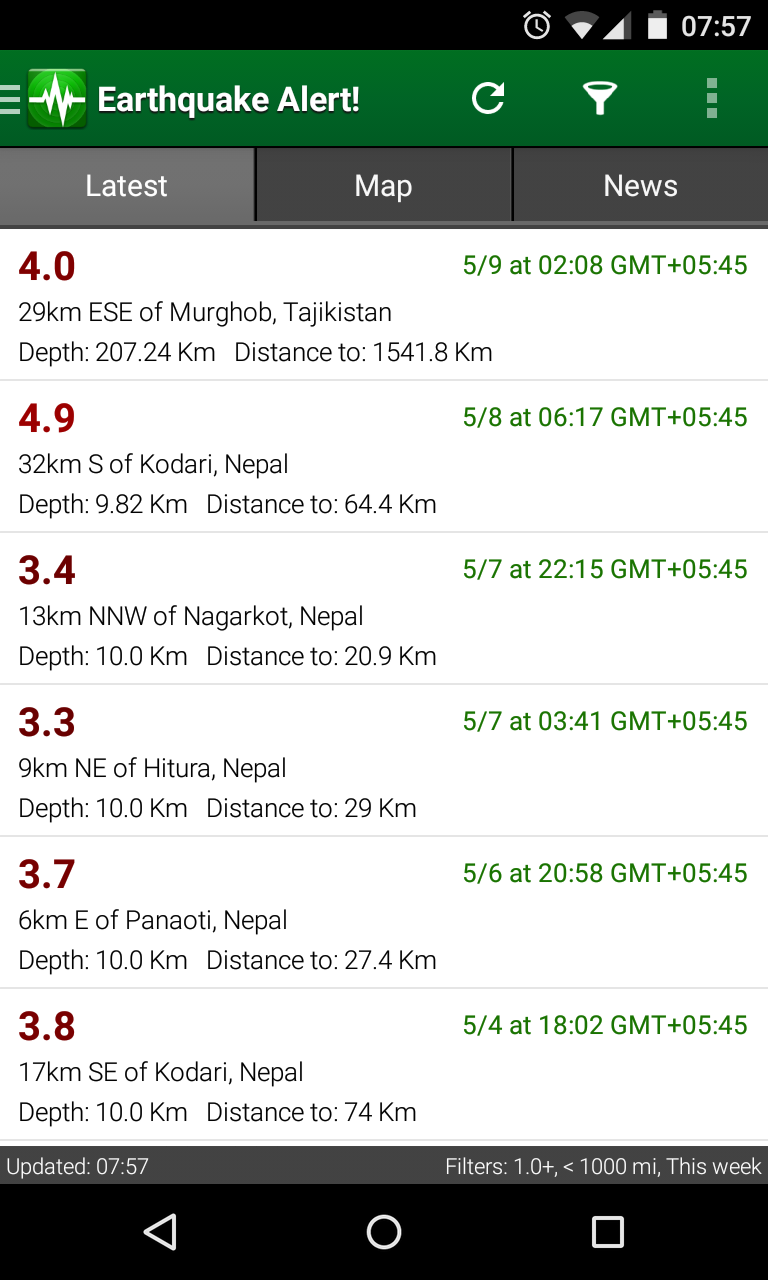
Hoewel niks 100% gegarandeerd is, loop je nu niet meer gevaar dan voor de aardbeving. Eventjes technisch worden: de aardbeving werd veroorzaakt door de langzaam opbouwende spanning tussen de Indiaanse en de Eurazische tektonische platen (die ook de Himalayas omhoog duwden). Daarom ook dat wordt gesproken van periodische aardbevingen: elke 80 jaar vond in deze regio een zware aardbeving plaats. Nu de spanning tussen die twee platen weg is, schatten er veel experten dat het nu veiliger is dan voordien. Intussen werd ook duidelijk welke gebouwen en hotels een aardbeving kunnen weerstaan. De overheid deed inspecties om te zien welke infrastructuur niet geleden heeft van de aardbeving en alle hotels die veilig werden verklaard kregen een groen certificaat. Eigenlijk heb je nu dus meer garanties dan vroeger.
Wil en kan Nepal toeristen ontvangen?
Toerisme is heel belangrijk voor Nepal. Jaarlijks ontvangt Nepal, het land met acht van de tien hoogste bergen in de wereld, bijna 800.000 toeristen, enerzijds avonturiers aangetrokken door treks of bergklimmen, anderzijds spirituele zoekers die zich terugtrekken in het boeddhisme of hindoeïsme. Deze sector is jaarlijks goed voor zo’n 400 miljoen EUR inkomsten, 500.000 rechtstreekse jobs (3,2% van alle jobs in Nepal) en vormt de grootste industrie in Nepal met 8% van het BNP. En hoeveel Belgen dragen daar toe bij? In 2014 waren er 5.437 Belgen die gemiddeld 20 dagen in Nepal verbleven . Na de aardbeving meldt de pers dat 90% van alle boekingen werden afgelast voor mei en juni 2015, met grote vraagtekens bij de herfstboekingen. Als Nepal uit de assen wil herrijzen, dan gaat het de toeristeninkomens zeker nodig hebben.
Meer dan ooit zijn de Nepalezen blij om toeristen te ontvangen. Nepalezen stonden al bekend voor hun gastvrijheid, maar nu kreeg mijn familie geregeld felicitaties en blije welkomsten van Nepalezen die hun tevredenheid deelden voor hun komst, ondanks de aardbeving. En zo kregen we vaak ook belangrijke kortingen of zelfs VIP behandeling…
“Ik stond ervan te kijken dat alles nog te verkrijgen was van eten en water in de hotels waar we verbleven. De Nepalezen doen echt hun uiterste best om de weinige toeristen van alles te voorzien en zo goed mogelijk bij te staan.” Michèle, 61
Wat is er nog te zien na de aardbeving?
 Natuurlijk toonde de internationale media enkel de chaos, de ingevallen huizen en tempels, wat de indruk geeft dat er niets meer rechtstaat. Dit is duidelijk een misvatting. Als je momenteel in Kathmandu rondrijdt kun je nauwelijks merken dat een aardbeving plaatsvond. Ik zou schatten dat 90% van de gebouwen nog steeds rechtstaan. In onze straat viel enkel een tuinmuurtje om. Wat betreft historische gebouwen en tempels, werden volgens de beoordeling van UNESCO sommige van de zeven erfgoed van de Kathmandu vallei getroffen , maar er is zeker nog genoeg te zien. De drie must-sees van Kathmandu (Boudhanath stupa, de Monkey tempel, Pashupatinath net zoals de backpakers wijk van Thamel) draaien volop en zijn nog steeds even indrukwekkend. Er wordt druk aan de restauratie gewerkt, wat soms unieke inzichten kan geven.
“Het was zeker een reis die we voor de rest van ons leven gaan onthouden, met bergwandelingen, een vlucht rond de Everest en de indrukwekkende tempels en geschiedenis.” Philippe, 61
Wat draait er nog in Nepal?
• Van de 75 districten werden slechts 8 zwaar getroffen
• Van de tien nationale parken, slechts één.
• Van de acht UNESCO World Heritage Sites hebben er slechts twee zware schade geleden
• Van de 35 meest gebruikte trekking routes werden er maar twee getroffen
• De twee luchthavens draaien goed, net zoals de basis infrastructuur (water, elektriciteit, banken, internet)
 Maken mijn familie en vrienden zich niet ongerust?
Misschien wel, des te beter dat je dus tijdens je verblijf foto’s toont op Facebook en mail om anderen te tonen dat je het goed stelt. En zo kan je ook bijdragen aan de online campagne met hashtags #StillNepal en #Stillsmiling om anderen te tonen dat Nepal nog steeds toeristen verwelkomt.
“In Italië was het eten wel lekker, maar Nepal is veel mooier en er is veel meer te doen. Ik heb hier voor het eerst de slurf van een olifant aangeraakt en ben er zelfs in een rivier mee gaan zwemmen. Mijn klasgenootjes gaan zo jaloers zijn!” Loïc, 6

Ik woon sinds een jaar in Kathmandu, als cooperant voor Wereldsolidariteit. Ik heb de twee aardbevingen hier in Nepal beleefd en nam zelf foto’s die mijn familie en vrienden op het internet of nieuws zagen, van ingestorte huizen en tempels. Dagenlang werden in België angstaanjagende beelden getoond van chaotische steden en verwoest dorpen, die de ernst van de aardbeving illustreerden: meer dan 8.500 slachtoffers, 100.000 gewonden en 800.000 huizen beschadigd of verwoest. Van vrienden en familie kreeg ik vele vragen die potentiele toeristen zich ook stellen: lopen ze in gevaar van meer en zwaardere aardbevingen?
“Toen mijn familie en vrienden hoorde dat we naar Nepal vertrokken ondanks de aardbeving verklaarden ze mij voor zot, vooral met onze twee kinderen van vier en zes jaar.” Dominique, 38
Wil en kan Nepal toeristen ontvangen op dit moment? Wat is er nog te zien, gezien zo veel is ingestort? Als ik ga, gebruik ik dan niet eigenlijk middelen die de lokale bevolking harder nodig heeft? Allemaal relevante vragen, waar ik hier ga proberen een antwoord op te geven.
Zijn we nog in gevaar als we gaan?
Hoewel niks 100% gegarandeerd is, loop je nu niet meer gevaar dan voor de aardbeving. Eventjes technisch worden: de aardbeving werd veroorzaakt door de langzaam opbouwende spanning tussen de Indiaanse en de Eurazische tektonische platen (die ook de Himalayas omhoog duwden). Daarom ook dat wordt gesproken van periodische aardbevingen: elke 80 jaar vond in deze regio een zware aardbeving plaats. Nu de spanning tussen die twee platen weg is, schatten er veel experten dat het nu veiliger is dan voordien. Intussen werd ook duidelijk welke gebouwen en hotels een aardbeving kunnen weerstaan. De overheid deed inspecties om te zien welke infrastructuur niet geleden heeft van de aardbeving en alle hotels die veilig werden verklaard kregen een groen certificaat. Eigenlijk heb je nu dus meer garanties dan vroeger.
Wil en kan Nepal toeristen ontvangen?
Toerisme is heel belangrijk voor Nepal. Jaarlijks ontvangt Nepal, het land met acht van de tien hoogste bergen in de wereld, bijna 800.000 toeristen, enerzijds avonturiers aangetrokken door treks of bergklimmen, anderzijds spirituele zoekers die zich terugtrekken in het boeddhisme of hindoeïsme. Deze sector is jaarlijks goed voor zo’n 400 miljoen EUR inkomsten, 500.000 rechtstreekse jobs (3,2% van alle jobs in Nepal) en vormt de grootste industrie in Nepal met 8% van het BNP. En hoeveel Belgen dragen daar toe bij? In 2014 waren er 5.437 Belgen die gemiddeld 20 dagen in Nepal verbleven . Na de aardbeving meldt de pers dat 90% van alle boekingen werden afgelast voor mei en juni 2015, met grote vraagtekens bij de herfstboekingen. Als Nepal uit de assen wil herrijzen, dan gaat het de toeristeninkomens zeker nodig hebben.
Meer dan ooit zijn de Nepalezen blij om toeristen te ontvangen. Nepalezen stonden al bekend voor hun gastvrijheid, maar nu kreeg mijn familie geregeld felicitaties en blije welkomsten van Nepalezen die hun tevredenheid deelden voor hun komst, ondanks de aardbeving. En zo kregen we vaak ook belangrijke kortingen of zelfs VIP behandeling…
“Ik stond ervan te kijken dat alles nog te verkrijgen was van eten en water in de hotels waar we verbleven. De Nepalezen doen echt hun uiterste best om de weinige toeristen van alles te voorzien en zo goed mogelijk bij te staan.” Michèle, 61
Wat is er nog te zien na de aardbeving?
 Natuurlijk toonde de internationale media enkel de chaos, de ingevallen huizen en tempels, wat de indruk geeft dat er niets meer rechtstaat. Dit is duidelijk een misvatting. Als je momenteel in Kathmandu rondrijdt kun je nauwelijks merken dat een aardbeving plaatsvond. Ik zou schatten dat 90% van de gebouwen nog steeds rechtstaan. In onze straat viel enkel een tuinmuurtje om. Wat betreft historische gebouwen en tempels, werden volgens de beoordeling van UNESCO sommige van de zeven erfgoed van de Kathmandu vallei getroffen , maar er is zeker nog genoeg te zien. De drie must-sees van Kathmandu (Boudhanath stupa, de Monkey tempel, Pashupatinath net zoals de backpakers wijk van Thamel) draaien volop en zijn nog steeds even indrukwekkend. Er wordt druk aan de restauratie gewerkt, wat soms unieke inzichten kan geven.
“Het was zeker een reis die we voor de rest van ons leven gaan onthouden, met bergwandelingen, een vlucht rond de Everest en de indrukwekkende tempels en geschiedenis.” Philippe, 61
Wat draait er nog in Nepal?
• Van de 75 districten werden slechts 8 zwaar getroffen
• Van de tien nationale parken, slechts één.
• Van de acht UNESCO World Heritage Sites hebben er slechts twee zware schade geleden
• Van de 35 meest gebruikte trekking routes werden er maar twee getroffen
 Maken mijn familie en vrienden zich niet ongerust?
Misschien wel, des te beter dat je dus tijdens je verblijf foto’s toont op Facebook en mail om anderen te tonen dat je het goed stelt. En zo kan je ook bijdragen aan de online campagne met hashtags #StillNepal en #Stillsmiling om anderen te tonen dat Nepal nog steeds toeristen verwelkomt.
“In Italië was het eten wel lekker, maar Nepal is veel mooier en er is veel meer te doen. Ik heb hier voor het eerst de slurf van een olifant aangeraakt en ben er zelfs in een rivier mee gaan zwemmen. Mijn klasgenootjes gaan zo jaloers zijn!” Loïc, 6